
The Role of Floor Insulation in Underfloor Heating
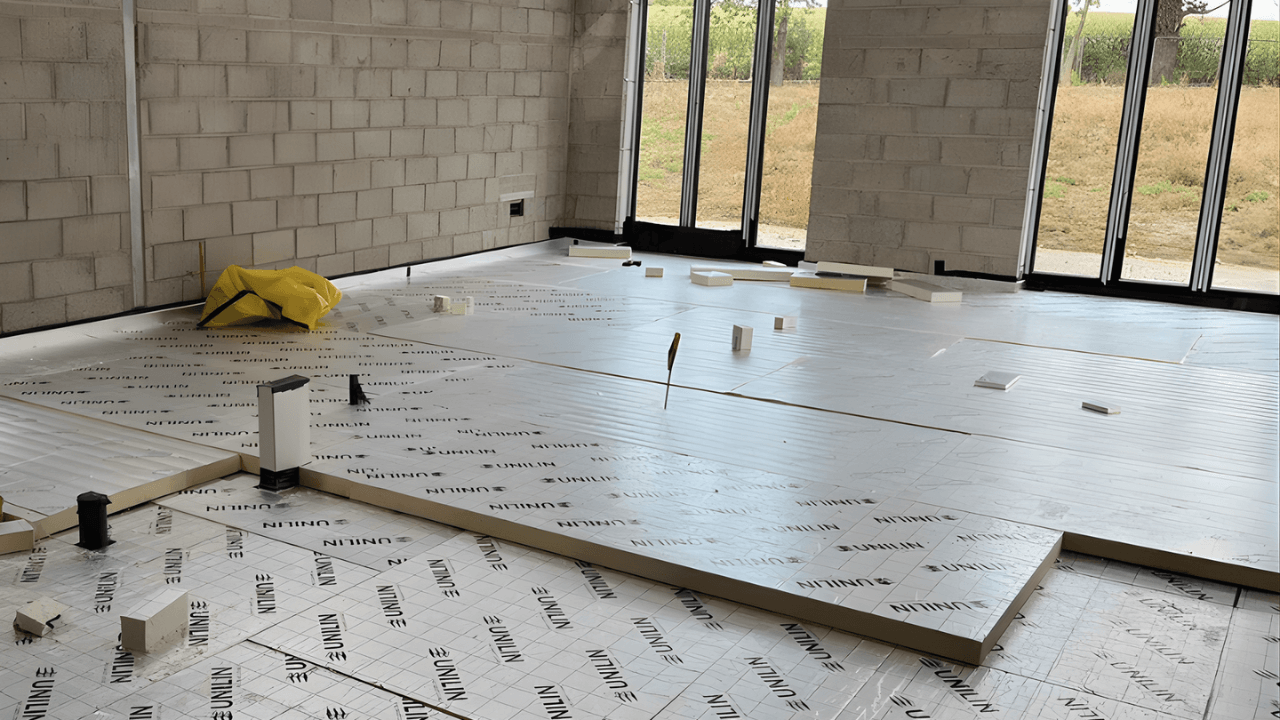
With the Future Homes Standard set to change the part of building regulations that governs floor insulation, all new builds and homes will undertake energy-efficient heating improvements.
It’s important to discuss this type of insulation and its role in facilitating efficient underfloor heating. Whether you are retrofitting existing homes or planning energy-efficient heating for new builds compliant with the new standard, read on to learn more.
What is Floor Insulation? Why is it Important For An Underfloor Heating Installation?
It’s a layer of material designed to slow down heat transfer, reduce draughts, and minimise heat loss through the floor. While heat naturally rises, floors can be cold enough to cool down everything directly above them. A property can lose up to 20% of its heat through uninsulated floors.
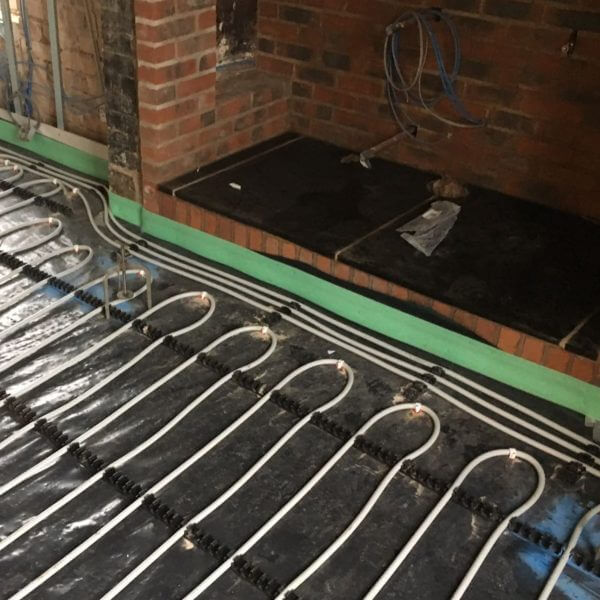
For an underfloor heating installation, the heat loss through an uninsulated floor can be higher than 20%, as the pipes or wires would be in direct contact with the cold subfloor, requiring the heating to stay on longer to compensate for that. That’s why it’s important to insulate the subfloor and encourage heat to rise into the room.
How Floor Insulation Prevents Heat Loss
Floor insulation prevents heat loss by creating a thermal barrier that is very slow to transfer heat (or lack of heat) from one side of the material to another. This barrier prevents the underfloor heating from losing heat to the cold subfloor.
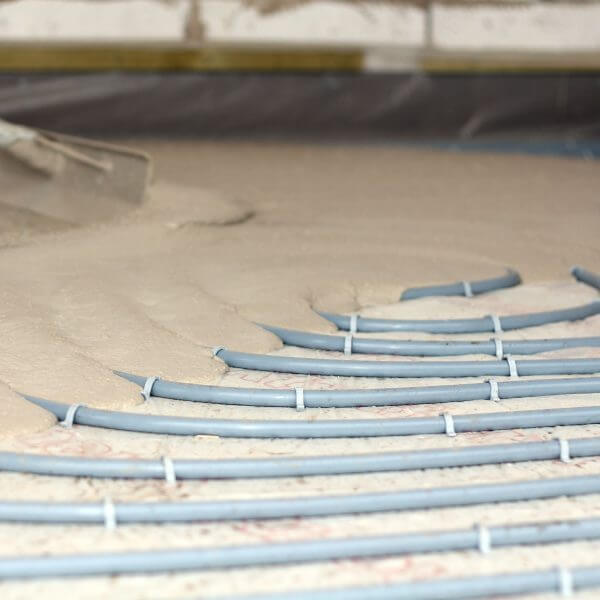
Additionally, the thermal heat distributed by an underfloor heating installation is encouraged to rise, especially when using a floor screed designed to retain and distribute said heat. End users can expect to save up to 15% of their heating bills with sufficient energy-efficient heating insulation.
What Kind of Floor Insulation Material is Best for Underfloor Heating?
Rigid foam floor insulation is best, but it depends on your subfloor. Rigid foam boards are best for concrete subfloors, providing a solid foundation for efficient underfloor heating and floor screed. If retrofitting an underfloor heating installation between floor joists, a breathable, manipulatable material like mineral wool is more suitable.
How Much Floor Insulation is Needed for Underfloor Heating?
EasyFlow recommends a thickness of at least 50mm for standard properties or 70mm for older/colder properties. If low ceilings are a concern, 17mm-thick floor insulation with pipe grooves can be used to minimise floor height.
The insulation should cover the entire subfloor, except directly underneath where brick or stud walls are being placed. No insulation should be placed above the floor screed as this will block heat transfer to the room.
When Should Floor Insulation be Installed?
It should be installed prior to underfloor heating pipes or wires, floor screed, and floor finishes. Additionally, for clients refurbishing floors with screed, this is the most cost-effective time to install insulation.
If you’re looking to install underfloor heating with floor insulation compliant with the Future Homes Standard, EasyFlow provides a full-service installation from the preparation of the subfloor to the floor screed. Talk to us in a free consultation to learn more about your options for floor insulation, and if you go ahead with us, we will lay it ahead of your heating installation.

Where To Find Us