
Does the Future Homes Standard Apply to Homeowners?
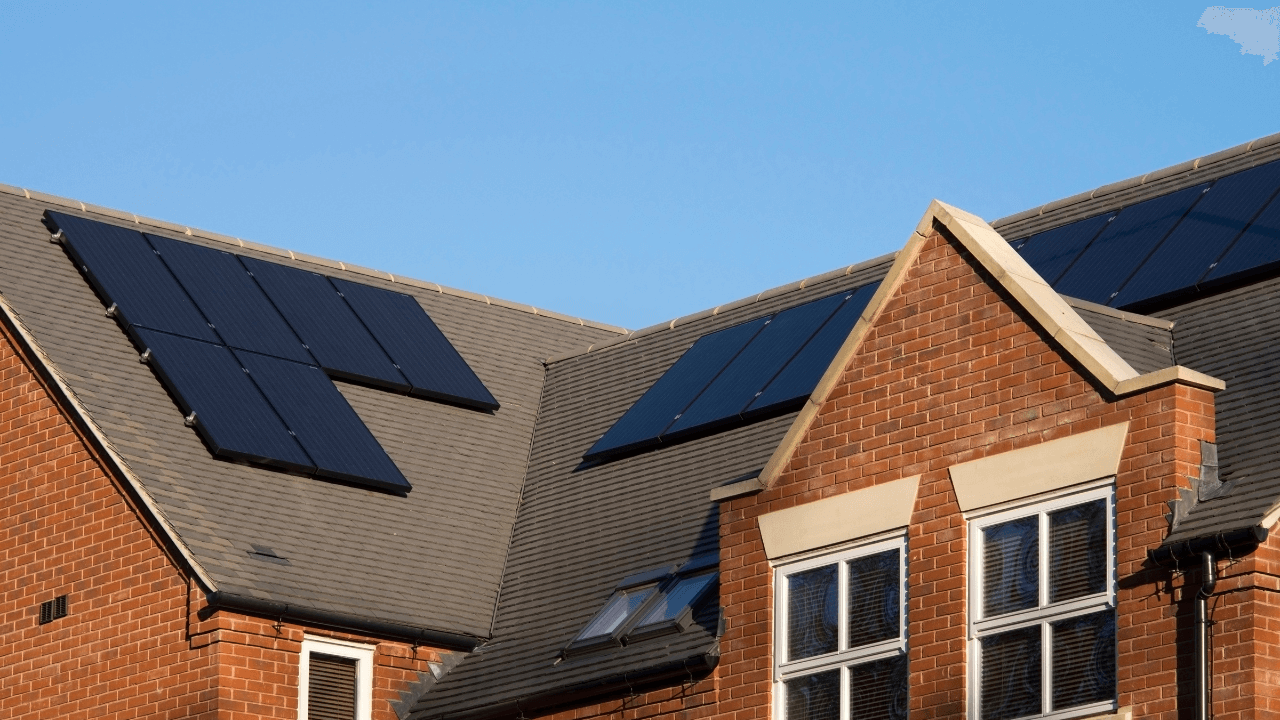
You may have seen the new Future Homes Standard in the news recently. With this regulation set to be published soon, you may be wondering what the Future Homes Standard has in store for you. Will it ban gas boilers? What happens when you upgrade to underfloor heating? Read on and find out.
The Future Homes Standard Explained
The Future Homes Standard is a new UK regulation set to be published in 2026 that will require the construction industry to adopt new technologies and sustainable practices when building new homes and renovating older homes.
Dwellings built after the standard is enforced will be required to have features such as low-carbon, energy-efficient heating, better insulation, and renewable energy compatibility. While we cannot rule out last-minute changes, what has been confirmed so far is:
- Reducing home carbon emissions by up to 75-80%, compared to current homes.
- Improving heating efficiency with low-carbon heating systems and well-insulated structures.
- Future-proofing homes with renewable energy readiness.
The regulations are still being finalised, but all new homes built when the standard is enforced are expected to have:
- Improved wall, ceiling, and floor insulation with higher R-values
- A low-carbon heat source, such as a heat pump installation
- Better ventilation with energy-efficient heat recovery
- Solar panels and EV charging infrastructure to allow homeowners to install them, if not already installed.
What This Means for Homeowners
The Future Homes standard will not mandate homeowners to upgrade existing homes, unless they want to make renovations or an extension covered by Part L and Part F of the Building Regulations. These regulations cover insulation, heating, and ventilation.
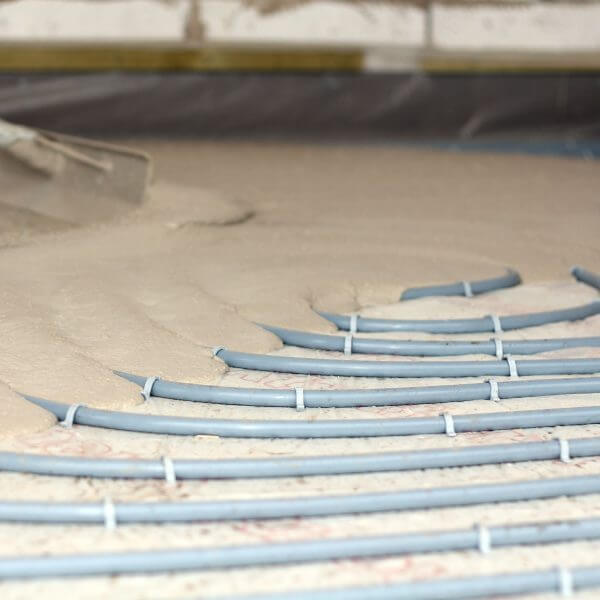
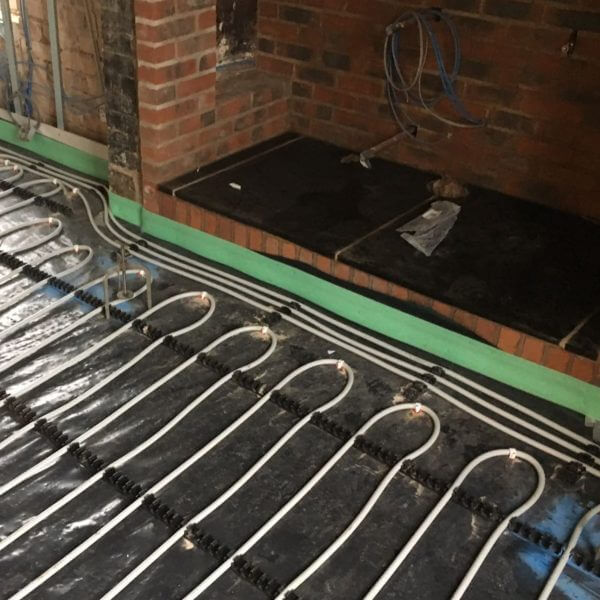
As an underfloor heating Shropshire business, we know that underfloor heating is a very energy-efficient heating solution. It’s fully compliant with the new standard, especially when paired with a heat pump installation and thick floor insulation – all of which we can install in your home.
So if you want to switch to underfloor heating, you will be required to ensure that sufficient floor insulation is installed with it. This is not a problem for EasyFlow, as our full-service installation covers everything from floor preparation to the liquid screed covering.
Can You Still Replace Your Boiler After 2025?
Yes, the Future Homes Standard doesn’t ban boilers, only the installation of new boilers in new builds or major heating retrofits. If you have a home built with a gas boiler before the standard is enforced, you will still be able to replace it.
Even if you switch from radiators to underfloor heating, if you already have an existing gas boiler, you will not be forced to change to a low-carbon alternative. The Boiler Upgrade Scheme is still available until 2028, so you may wish to consider upgrading to a heat pump installation anyway to take advantage of the discount on a new heat source.
Underfloor Heating is the Future
Though changes are still being made to the Future Homes Standard, it’s clear the government intends to phase out gas boilers, introduce higher standards of roof, wall, and floor insulation, and adopt modern, energy-efficient heating.
While it will not be mandatory, retrofitting older homes with a heat pump installation and underfloor heating will improve the value of the property, alongside many other benefits to homeowners.
If your central heating system or property as a whole is in need of significant renovations, don’t fear what the Future Homes Standard will require. There are grants that offset the cost of installing energy-efficient heating improvements, and quality installers like EasyFlow to advise and guide you through the process.
Thinking of upgrading to underfloor heating Shropshire, Manchester, Liverpool, Birmingham, or elsewhere in the north of England and Wales? Use the contact form below to get in touch.

Where To Find Us