
Can You Retrofit Underfloor Heating in Non-Standard Construction Homes?

When you think of modern British homes built in the last century, you typically think of red-brick or stone houses. Yet there is another category of distinctly British homes built in the 20th century that seldom fit into perception. These are colloquially called non-standard construction houses – houses built without brick walls or tile roofs.
These houses typically suffer from a lack of energy-efficient heating, insulation, and support from construction companies. Many have been labelled defective, complicating matters further. But whether you’re buying one, or hoping to improve one you own, EasyFlow’s retrofit underfloor heating solution can truly make these houses a home.
What Types of Non-Standard Construction Homes are There?
The most common non-standard construction houses you will encounter are steel-framed, like the BISF house. There are also concrete in-situ, precast reinforced concrete houses, and American-style timber-framed houses, though the latter is quite rare.
Many older homes, like thatched-roof cottages and half-timbered houses, are also technically non-standard construction houses. These are typically listed buildings and therefore come with a set of requirements before you can install underfloor heating.
Can Underfloor Heating be Installed in Non-Standard Construction Homes?
You can easily retrofit underfloor heating in many types of non-standard construction homes, including steel-frame, concrete, and timber-frame homes. Underfloor heating can be installed in configurations adapted to different sub-floor conditions.
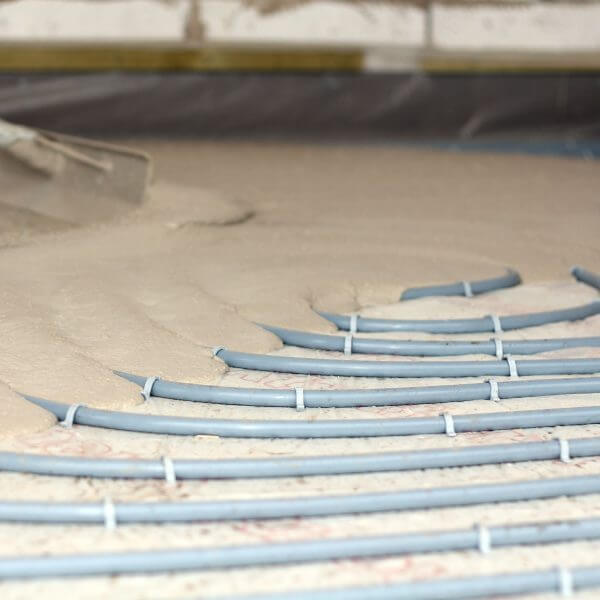
Homes with concrete floors are the easiest to install energy-efficient heating with a screed covering that provides the perfect floor refurbishment for finishes like carpet, tiles, or engineered wood. Between-joist heating is the ideal solution for suspended upper floors, though it depends if steel beams or other critical structural elements are present between joists.
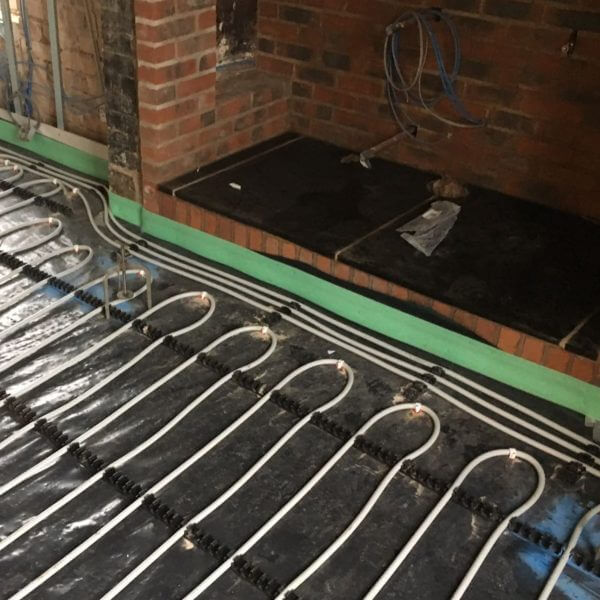
If so, this isn’t the end of the line. You can opt for electric floor heating, or wet underfloor heating pipes laid into floor insulation boards. These solutions don’t require you to route pipes under the floor, and provide a minimal floor height increase.
At EasyFlow we have immense experience installing underfloor heating and floor refurbishments in non-standard properties and unique circumstances. From steel-framed warehouses to churches and barn conversions, we survey site conditions carefully and calculate the best approach for retrofitting underfloor heating.
What if the House Has Been Labelled Defective?
If your house is on the list of defective non-standard construction houses, you can still have underfloor heating as long as structural repairs have been carried out. This will have been validated by a repair certificate. We would not recommend carrying out heating works until you can confirm a repair certificate has been issued.
Are Non-Standard Construction Homes Energy-Efficient?
In most cases, they’re not. Many were built before central heating and efficient insulation became standardised. Steel-frame houses are particularly susceptible to heat loss, making wall and floor insulation a necessity to improve how energy-efficient their heating is.
In many non-standard houses, radiators are typically fitted to the external walls or in awkward, long runs to bypass structural elements. This inefficient setup contributes to higher bills. But this is where underfloor heating has an advantage over radiators. Through its design, underfloor heating distributes heat evenly across rooms. With adequate floor insulation, heat loss from transportation is minimised.
With energy-efficient heating and insulation, these homes can see significantly reduced heating bills, increased comfort, and even higher sale value.
Why You Should Choose EasyFlow’s Underfloor Heating Solution
We have years of experience retrofitting underfloor heating and have tailored each system to the project and build requirements. Underfloor heating can be installed without digging into the existing subfloor, and with screed or levelling compound, you’ll have a floor refurbishment perfect for carpet, tiles, and engineered wood.
Not all homes are made equal; that’s why we approach each with an experienced site surveyor to determine project feasibility and develop a design best suited to provide even, energy-efficient heating. To get started with your no-obligation consultation, complete the form below, and a member of the team will be in touch.

Where To Find Us