Changing Heating Standards: What Construction Firms Need to Know
This year, we saw the official publication of the Future Homes Standard and the timeline for the regulations to take effect. We also saw the UK government begin drafting revisions to the Ecodesign for Energy-Related Products Regulations in regard to space heaters, which finished consultation in May.
Both these regulations set minimum energy-efficiency standards and strive to improve energy-efficient heating solutions and reduce their impact on the environment. Meanwhile, Awaab’s law – seperate regulations for social landlords – is soon to expand and mandates excess cold and excess heat as significant hazards in November 2026. With all these changes, it’s important to understand what you need to do in your upcoming building projects.
How Does the Future Homes Standard Affect Heating?
The Future Homes Standard enforces restrictions on new-build homes to encourage construction firms to turn towards energy-efficient heating and energy solutions. To summarise it here, fossil fuel heat sources will no longer be permitted in new-build homes, and higher standards of insulation will be required once the standard comes into force.
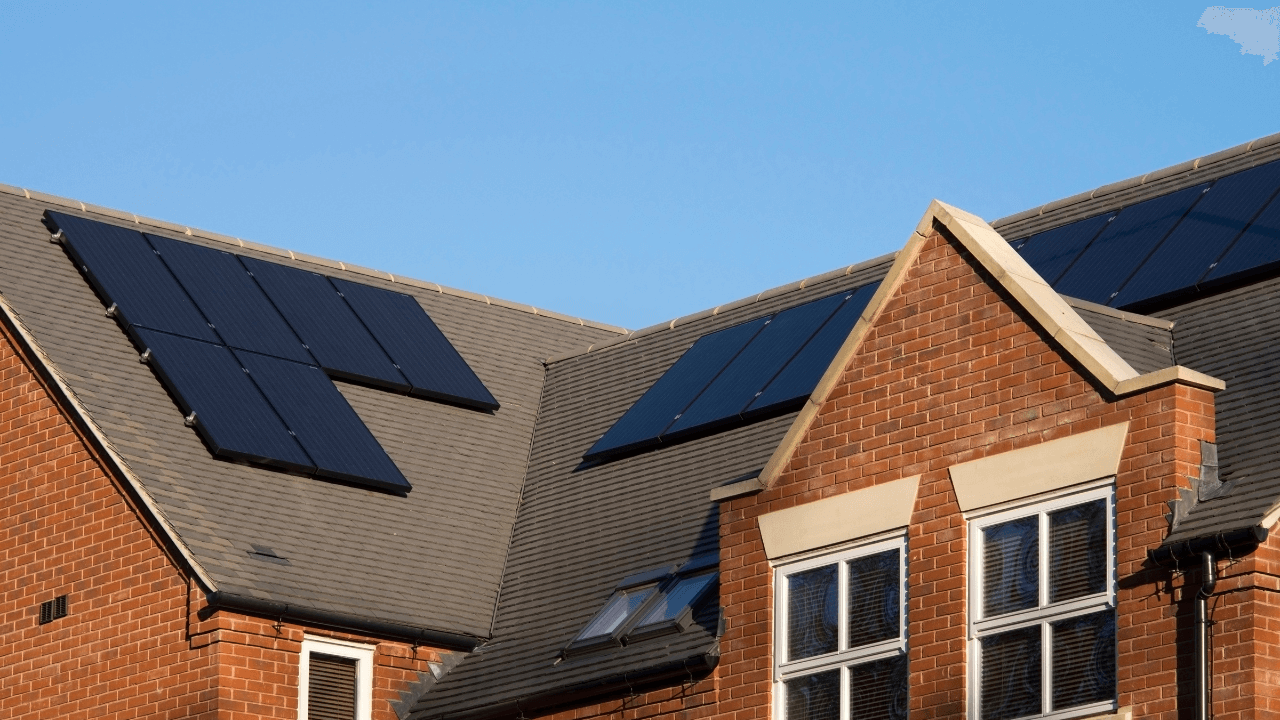
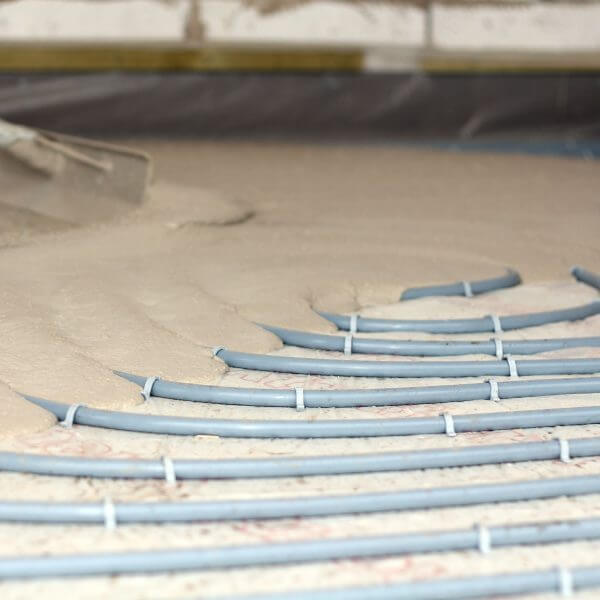
Central heating moving forward will need to use low-carbon heat sources like solar-water or heat pumps, which can be less efficient when paired with traditional radiators. As energy-efficient heating is the goal of the standard, switching to underfloor heating as the standard can be the solution. We at EasyFlow are highly experienced with designing efficient underfloor heating systems, paired with compliant floor insulation. We can help ensure your new build projects meet the new standard.
The standard only covers new-build residential projects started after the enforcement date. Existing homes and commercial underfloor heating projects can still use and replace gas boilers.
When Will the Future Homes Standard Be Enforced?
The regulations come into full force on 24 March 2027. Transitional arrangements with exemptions to particular regulations are available, particularly for Higher Risk Buildings (buildings that are 18+ metres tall or 7+ storeys tall with more than two residential units).
Simply put, any new home building scheme in early design right now is likely to be built under the new standard. Unless one of the transitional arrangements applies. The full list of potentially applicable Transitional Arrangements can be found here.
How Will Awaab’s Law Affect Heating?
Awaab’s Law is social housing legislation requiring landlords to investigate and fix severe health hazards. Phase 2, which will come into effect in November 2026, will expand the list of hazards to include severe cold and heat.
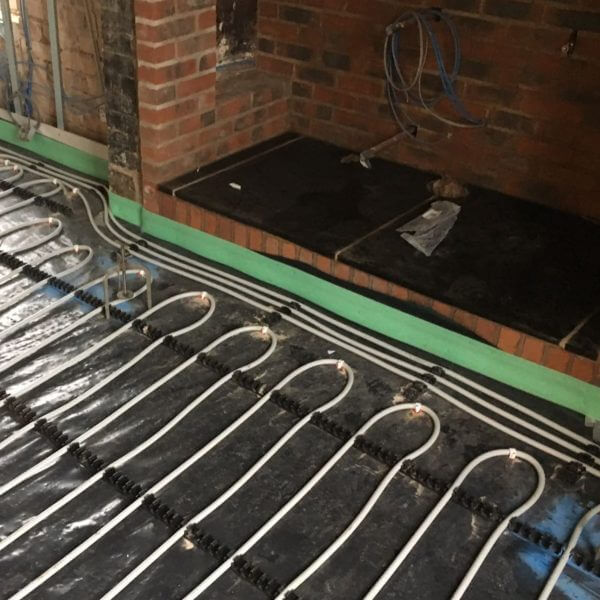
Conditions like lack of insulation, failed boilers, inadequate heating solutions, and dangerous temperature extremes will therefore be subject to strict investigation and repair timeframes. As there will be increased demand for house refurbishment projects from social landlords, particularly for wall and floor insulation, and better heating solutions – EasyFlow is on hand to help. We can help you install heat pumps that replace outdated boilers, or install budget-friendly electric underfloor heating or floor insulation with damp-proof membranes to help reduce cold and damp.
How Do the Ecodesign Regulations Affect Heating?
The Ecodesign regulations don’t affect standard central heating solutions but heating appliances like wood-burning stoves or electric underfloor heating mats. It sets the minimum energy-efficiency, maximum emission requirements, and environmental performance for these appliances.
The consultation published earlier this year proposed increases to the minimum efficiency and the inclusion of product controls like smart scheduling, designed to improve how energy-efficient the heating is.
If approved, it won’t change how electric underfloor heating is installed in building projects, only the supply of electric heating mats and thermostats. Smart thermostats may become standard, which is beneficial to the client or end user.
What is Meant by Space Heaters?
Space heaters are a category of heat appliance that converts electricity to heat for an enclosed space, room, or area, separate from a central heating system. These include infrared heaters, electric radiators, and of course, electric underfloor heating.
If it doesn’t circulate heat generated from a single source, like a heat pump or biomass boiler, it’s not central heating. So whether it is a heating mat for a standalone bathroom or a building-wide commercial electric underfloor heating setup, it will come under the new Ecodesign regulations.
Is Underfloor Heating Being Banned in the UK?
Absolutely not; this myth stems from misinterpretation of the Ecodesign consultation, where it discussed removing heating appliances that don’t meet the new proposed standard from sale. Electric underfloor heating converts 100% of electricity to heat, making it highly efficient by nature.
This essentially means that, if the Ecodesign regulations are updated, only non-compliant electric underfloor heating mats and thermostats would be taken off the market. If these products have already been acquired, there is nothing prohibiting their continued use and installation can still go ahead.
What Construction Firms Need to Do Now
In summary, the Future Homes Standard and Ecodesign regulations are not retroactive and will only affect upcoming new-build homes and future electric underfloor heating installations, respectively. Awaab’s law is the only regulation where there will be increased demand for existing social housing to be retrofitted with better heating and insulation solutions.
With gas boilers being phased out and stronger insulation requirements for new-build homes, installing quality and energy-efficient heating for the end user will not be as straightforward. With EasyFlow as your heating installation engineers, we can design the best underfloor heating solution that takes advantage of heat pumps and procure quality floor insulation compliant with the new regulations.
As for the Ecodesign for Energy-Related Products Regulations, as long as electric underfloor heating manufacturers prepare for the incoming regulations, there is nothing that needs to be done on your part. We can procure and advise you on the best heating and thermostat solutions for any upcoming heating retrofits. Just contact us using the form below or call to arrange your no-obligation consultation.

Where To Find Us